How To Choose The Right Central Heating System For Your Home
If your heating is unreliable, expensive to run, or simply past its best, choosing a new central heating system can feel daunting. As a local Gas Safe Registered engineer with over 17 years’ experience, I help homeowners in Milton Keynes and nearby areas weigh up the options with calm, clear advice. This guide will walk you through the main system types, the factors that matter for your home, typical costs, and what to expect during installation. The aim is simple, to help you feel informed and confident, not pushed into a decision.
The four main types of central heating systems
Most UK homes use one of four set ups. Understanding the basics will help you narrow the field quickly.
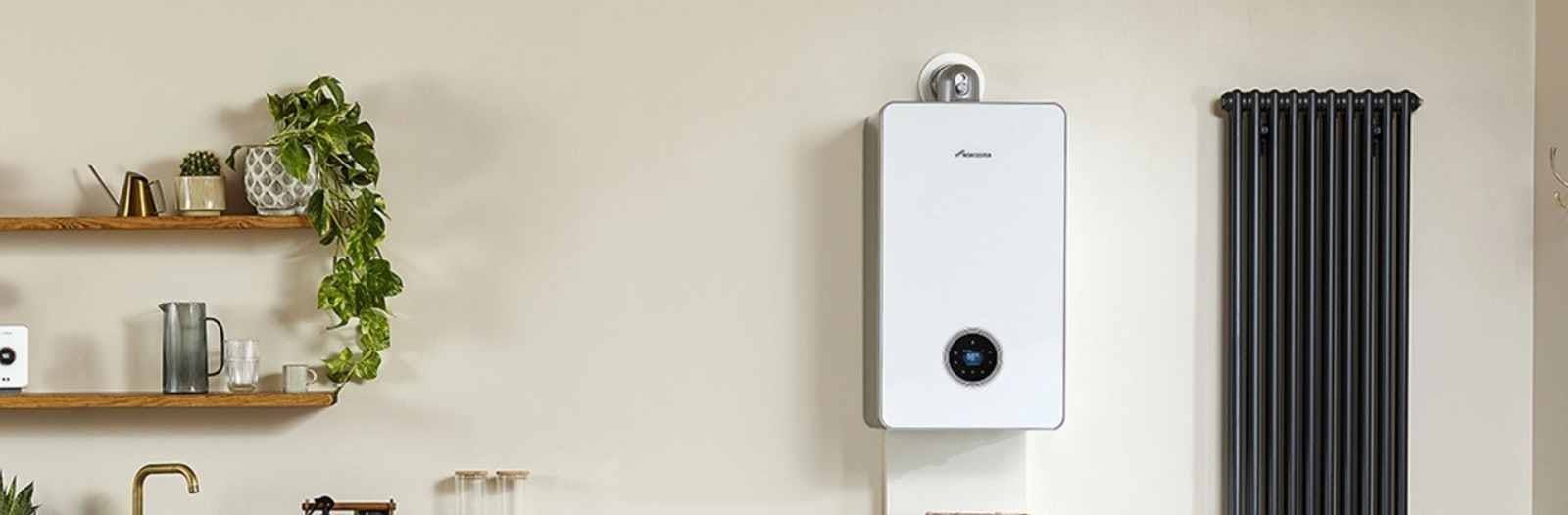
Combi boiler systems. A combi heats water on demand, so there is no separate hot water cylinder. You get fast hot water, space savings, and simple controls. It suits flats and small to medium homes with one bathroom. Flow rates depend on your mains pressure and incoming water volume.
System boiler with unvented cylinder. The boiler heats water for heating, while a pressurised cylinder stores hot water for taps and showers. This setup is ideal for homes with multiple bathrooms or where you want high, balanced flow at several outlets at once. It offers strong performance without needing attic tanks.
Conventional (regular) boiler with tanks. Often found in older homes, this uses a boiler, a hot water cylinder, and header tanks in the loft. It can work well with existing pipework and gravity-fed showers, and sometimes suits properties with lower mains pressure. Many homeowners eventually convert to a sealed system for efficiency and space savings.
Low carbon and alternative options. Air source heat pumps, hybrid systems that combine a heat pump with a boiler, and electric boilers are increasingly common. They can cut carbon and, with good design and insulation, deliver steady comfort. Your property’s insulation, radiators, and available space will determine fit and running costs.
How to match a system to your home
There is no one-size solution. I look at four practical areas before making a recommendation.
Property size and hot water demand. Count bathrooms, note if showers run at the same time, and consider any big tubs or high-draw fixtures. Combi boilers are excellent for single-bathroom homes. For two or more bathrooms, a system boiler with an unvented cylinder usually gives a better experience.
Water pressure and flow rate. Mains pressure varies street by street. I measure static pressure and flow to check whether a combi will deliver the hot water performance you expect, or whether a stored hot water solution will be better.
Existing pipework and space. Your current setup affects complexity and cost. If space is tight, a combi may free up a cupboard. If you have good space for a cylinder and want strong multi-outlet performance, a system boiler is a solid choice.
Budget and long term value. Upfront price matters, but so do running costs, warranties, and efficiency. Modern boilers paired with smart heating controls can cut bills when set up and commissioned properly.
Is gas central heating still cheaper than electric?
In most cases, yes. Unit costs for mains gas are typically lower than electricity per kWh in the UK, so a modern gas boiler usually costs less to run than direct electric heating. There are exceptions. Well designed heat pump systems can be competitive on running costs in well insulated homes, thanks to their efficiency. If your property is off the gas grid or very well insulated, we can model options to see what will be cheaper over time. I always explain assumptions and show you the numbers before you commit.
How much should central heating cost?
Costs vary by property and specification, so I provide written, site specific quotes. As a general guide, a straightforward like for like gas boiler swap is often completed within one to two days and is priced according to the chosen model, any filter or control upgrades, and warranty length. Full conversions, for example moving from a conventional system to a combi, or adding an unvented cylinder, involve more labour and materials, so the price is higher and the install may take longer. For accurate figures, I offer free, no obligation surveys and clear written quotes so you can compare options calmly.
If you are planning a replacement in or around Milton Keynes, you can learn more about our service on boiler installation milton keynes.
How long does it take to install central heating?
A like for like boiler replacement typically takes 1 to 2 days, including commissioning and user guidance. Conversions that involve removing attic tanks, fitting a new cylinder, repiping, or relocating the boiler can take 2 to 4 days depending on complexity. Full first-time installations in older properties with new radiators and pipework can take several days more. I set expectations upfront, keep you updated, and leave the site tidy each day.
Future proofing your choice
Whichever system you select, build in simple upgrades that improve comfort and efficiency.
Smart controls and zoning. Modern, internet enabled controls help you schedule heat around your routine. Weather compensation and load compensation features fine tune boiler output for better efficiency. I commission controls, show you how to use them, and leave clear settings to start with.
System protection. Magnetic filtration, quality inhibitor, and a proper system cleanse or powerflush where needed will protect your boiler and radiators. Balanced radiators and correct flow temperatures improve comfort and reduce fuel use.
Insulation and emitters. If you are considering a future heat pump, upgrading insulation and fitting larger, well sized radiators or underfloor zones will make the transition smoother. Even with a gas boiler, lower flow temperatures with correctly sized emitters can cut bills.
How do you choose a heating engineer?
Look for a Gas Safe Registered professional, check their ID card, and ask for local references. Clear communication, tidy work, and written quotes are good signs you will be looked after. I keep my vans well stocked to complete many repairs on the first visit, provide photos when useful, and stand by my workmanship with warranties as stated in your quote. If you need urgent help, my page for emergency plumbers in milton keynes explains response times and what to do while you wait.
For ongoing care, timely servicing matters. Annual checks spot issues early, keep warranties valid, and maintain efficiency. If you are due a service, read more about boiler servicing milton keynes.
When alternatives make sense
If your home is off the mains gas network, or you want to cut carbon, we can explore heat pumps, hybrid setups, or LPG and oil options where appropriate. The right solution will balance insulation levels, radiator sizing, running costs, and available budget. I will be honest about what the numbers show, and I will tell you if waiting to combine upgrades with a future renovation would give a better result.
The Gas Works MK way
I believe in practical, honest advice with no pressure. You will get a written quote, clear timelines, and options laid out in plain English so you can choose confidently. I work across Milton Keynes, Bletchley, Newport Pagnell, Olney, and surrounding areas, with flexible appointment times, including evenings and prompt responses for breakdowns. If your boiler is beyond repair, I can usually survey quickly and arrange a suitable replacement within one to two days for straightforward swaps, complete with manufacturer backed warranties on selected models.
Summary
Choosing the right central heating system comes down to your home, your hot water habits, your budget, and your future plans. Combi systems suit smaller homes, system boilers with an unvented cylinder suit bigger households with simultaneous hot water demand, conventional systems can be kept or converted depending on your pipework and goals, and alternatives like heat pumps are worth exploring in well insulated properties. Gas usually remains cheaper to run than direct electric, but individual results depend on your insulation, controls, and usage. A proper survey, clear design, and careful installation will make the biggest difference to comfort and costs. If you want straightforward guidance and a tidy, reliable job, I am here to help with friendly, transparent service from quote to handover.